The Division of Infectious Diseases Fellowship Training Program is an Accreditation Council for Graduate Medical Education (ACGME) approved program designed to attract outstanding young physicians and train them for academic and clinical careers in infectious diseases. Our faculty are engaged in a wide range of clinical services and research from which our fellows gain experience.
Welcome to Our Fellowship Program
Welcome to the Infectious Diseases Fellowship Program at Washington University School of Medicine (WashU Medicine). We are a fellow-centered training program dedicated to developing the next generation of infectious diseases leaders. We strive to prepare fellows to:
- Deliver exceptional care as infectious diseases clinicians and physician-scientists
- Lead with compassion, empathy, and professionalism
- Provide person-centered care for people from all backgrounds
- Serve their communities and advance health for all
- Address regional and global infectious diseases challenges with expertise and innovation
All of our program’s graduates receive excellent and diverse training in inpatient and outpatient infectious diseases. Our program offers pathways for fellows to cultivate advanced clinical expertise and emerge as leaders in a variety of infectious diseases subspecialties, including Transplant Infectious Diseases, Hospital Epidemiology, Antimicrobial Stewardship, Sexual Health and HIV Medicine, Global Health, Infectious Diseases–Critical Care, and the prevention and management of infections among people who use drugs.
Our fellows are offered outstanding opportunities in clinical services and research from which they gain experience. These include:
At WashU Medicine, we strive for excellence in clinical care, education and research. We are pleased that you are interested in learning more about our Infectious Diseases Fellowship and invite you to explore our website. Please do not hesitate to contact us if you have questions or if we can provide further information.
Sincerely,

Professor of Medicine
Director, Infectious Diseases Fellowship Program
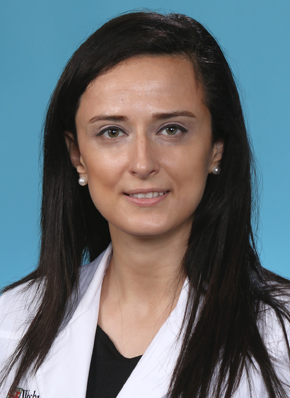
Associate Professor of Medicine
Associate Director, Infectious Diseases Fellowship Program
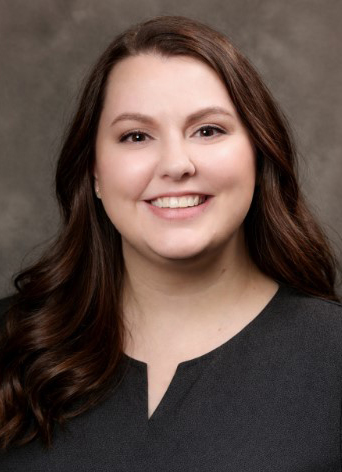
Fellowship Coordinator
haleyo@wustl.edu
Overview
The Infectious Diseases Fellowship is an integrated, two-year program that combines broad and intensive training in clinical infectious diseases with protected time to pursue basic or clinical research after the first year. A third research year is offered to fellows engaged in funded, productive research projects in infectious diseases. Five fellows are selected each year.
In an effort to provide the highest quality care in both inpatient and outpatient settings, faculty of the division and their colleagues in the departments of Molecular Microbiology, Biology, Cell Biology and Physiology, Pathology and Genetics foster and maintain excellent communication between basic scientists and clinicians. The fellowship training program places a high value on a fertile collaborative atmosphere in which basic and clinical investigations alike pursue knowledge relevant to understanding the pathogenesis, pathophysiology, clinical consequences, and treatment of infectious diseases.
Program Goal
Our fellowship program is committed to developing exceptional clinicians, investigators, educators, and leaders in infectious diseases. Whether your career path leads to patient care, clinical, translational, or basic science research, public health, medical education, healthcare administration, or industry, we strive to equip you with the knowledge, skills, and values needed to make a meaningful impact.
Our fellows are prepared to address some of the most pressing challenges in healthcare, including emerging infectious diseases, antimicrobial resistance, global health threats, and issues affecting public health and patient safety. Beyond technical expertise, we seek to foster a culture of lifelong learning, curiosity, innovation, and excellence that will guide your professional journey long after fellowship.
Central to our mission is a commitment to honesty, integrity, respect, and fairness. We encourage all fellows to provide compassionate, patient-centered care, value diverse perspectives and experiences, and treat every patient, colleague, and community member with dignity and respect.
Clinical Training
Our fellows gain extensive clinical experience caring for diverse and complex patients at Barnes-Jewish Hospital—one of the largest hospitals in the United States with more than 1,400 beds—and the St. Louis VA Medical Center. Most fellows participate in our integrated two-year training program, which combines comprehensive clinical infectious diseases training with protected time for scholarly activity and advanced subspecialty development.
During the first six months of fellowship, trainees rotate through our inpatient consult services, building a strong foundation in the diagnosis and management of a broad range of infectious diseases. Beginning in January of the first year, fellows transition to a 12-month phase focused primarily on scholarly pursuits, clinical electives, antimicrobial stewardship, hospital epidemiology, and ambulatory infectious diseases experiences. During this time, fellows may further individualize their training through one or more specialized tracks, including Antimicrobial Stewardship, Hospital Epidemiology, HIV and Sexually Transmitted Infections, Global Health, Medical Education, and Infectious Diseases and Substance Use Disorders.
The final six months of fellowship are dedicated largely to advanced inpatient consult service rotations designed to prepare fellows for independent practice. Progressive development of clinical autonomy is a central focus of this phase, ensuring that graduates are well equipped to transition confidently into attending physician roles.
Fellows begin their ambulatory infectious diseases training in January of their first year, participating in a weekly HIV continuity clinic for 12 months while rotating through a series of specialized infectious diseases clinics for three months each, including Fungal Infections, Mycobacterial (AFB), Transplant Infectious Diseases, and VA Infectious Diseases clinics. To further tailor their training to their career interests, fellows may elect additional ambulatory experiences in areas such as General Infectious Diseases, Private Practice Infectious Diseases, Hepatitis C treatment, Addiction Medicine, Tuberculosis and Public Health, Sexually Transmitted Infections, Outpatient Parenteral Antimicrobial Therapy (OPAT), Orthopedic Infectious Diseases, and other subspecialty clinics. This longitudinal ambulatory curriculum provides broad exposure to the spectrum of outpatient infectious diseases practice while allowing fellows to develop expertise in areas of particular interest.
An optional third year of research may be offered to fellows interested in an academic career pursuing advanced training and research in a particular subspecialty of ID. This year allows fellows time to complete their projects, write manuscripts and grant proposals.
| First Year (July-Jan) | First Year (Feb -Jun) | Second Year (July-Jan) | Second Year (Feb-June) | Total Over Two Years | ||
|---|---|---|---|---|---|---|
| Consult service rotations (6 days/ week) | General ID • 2 fellow-run services • All services provided with 1 NP and 1 ID-PharmD • 4-6 new consults/day • Rotating students and residents | 10 weeks | 1 week | 2 weeks | 8 weeks | 20-22 weeks |
| Transplant ID • Solid organ • HSCT • 1 fellow-run service with 1 NP, 1 ID-PharmD • 4-6 new consults/day • Rotating students and residents | 5 weeks | 1 weeks | 2 weeks | 2 weeks | 10-12 weeks | |
| VA • 1 fellow-run service • 3-5 new consults per day • Rotating students and residents | 7 weeks | 1 weeks | 2 weeks | 5 weeks | 14-16 weeks | |
| Weekend Call (Elective time during the week) | 0 weeks | 3 weeks | 3 weeks | 3 weeks | 8-10 weeks | |
| Non-service rotations (5 days/week) | Elective/Research Electives: Critical care, Private practice rotation, Patient safety/Quality Improvement, Boing and Joint service, Tuberculosis Clinic, STD Clinic, Addiction Medicine Clinic, and more | 1 week | 14 weeks | 15 weeks | 3 weeks | 32-34 weeks |
| Non-service rotations (Orientation, Micro Lab, Stewardship, Hospital Epi) | 3 weeks | 2 weeks | 2 weeks | 0 weeks | 6-8 weeks | |
| Vacation | 2 weeks | 2 weeks | 2 weeks | 2 weeks | 8 weeks |
Research-Track Training
For fellows pursuing the Physician-Scientist or Clinician-Investigator pathway, as well as trainees in the Internal Medicine/Infectious Diseases Physician-Scientist Training Program, the curriculum follows a more traditional fellowship structure. The first year is devoted primarily to intensive clinical training, including approximately 38 weeks of inpatient consult service and a weekly continuity clinic. This is followed by two or more years of protected research time, during which fellows maintain clinical competency through up to six weeks of inpatient consult service annually and participation in a weekly HIV or other infectious diseases subspecialty continuity clinic. This model provides rigorous research training while ensuring continued development of advanced clinical expertise.
Research
The basic research laboratories of the fellowship training program are focused on investigations into the pathogenesis of bacterial, fungal, parasitic, viral, and mycobacterial diseases and the host immunologic responses which control these infections. Washington University School of Medicine has a highly collaborative research environment and fellows are welcome to join a lab in any department or division in the university. Fellows have joined labs in other clinical divisions in Internal Medicine, and in other departments, including Microbiology, Pathology and Immunology, and Genetics. Fellows in basic research training are traditionally supported by the division’s NIH-sponsored Infectious Diseases/Basic Microbial Pathogenesis Training Grant. Our fellows have also been very successful in competing for extramural funding through the NIH, including obtaining K08 and K23 awards. Washington University is also home to a premier Medical Science Training Program (MSTP) whose mission is to train future leaders in medicine and science.
The Clinical Research Training Center (CRTC), a component of the Washington University Institute of Clinical and Translational Sciences (ICTS), provides didactic curriculum and mentored training in clinical and translational research for predoctoral students, house-staff, postdoctoral fellows, and junior faculty. Our fellows have been successful in competing for admission to the postdoctoral program and subsequent institutional career development award programs (KL2, KM1) in clinical, translational, and comparative effectiveness research.
Multiple funding opportunities for funding additional training in research exist for fellows in their second year and beyond. These opportunities exist through:
- The Infectious Diseases Training Grant
- The Postdoctoral Mentored Training Program in Clinical Investigation (MTPCI)
- The Institute of Clinical and Translational Sciences (ICTS) training programs
Our fellows have been highly successful in obtaining grant funding through:
The Division of Infectious Diseases operates a NIH-supported AIDS Clinical Trials Unit (ACTU). The presence of the ACTU, coupled with an active outpatient HIV clinic that follows approximately 1,700 HIV-positive patients, offers many clinical research opportunities in HIV disease and AIDS (including training in the design and conduct of clinical trials) as well as the opportunity for training in state-of-the-art care for HIV-positive patients. Collaborative research opportunities with investigators conducting clinical and laboratory research in HIV-related virology, neurology, hepatology and malignancy are also available, as are active clinical research and training programs in sexually transmitted diseases and tuberculosis.
The Clinical Research Training Center (CRTC), a component of the Washington University Institute of Clinical and Translational Sciences (ICTS), provides didactic curriculum and mentored training in clinical and translational research for predoctoral students, house-staff, postdoctoral fellows, and junior faculty. Past infectious diseases fellows have been successful in competing for admission to the postdoctoral program and subsequent institutional career development award programs (KL2, KM1) in clinical, translational, and comparative effectiveness research.
The basic research laboratories of the fellowship training program operate with the philosophy that investigations into the pathogenesis of infectious diseases are carried out at the highest possible molecular resolution. Laboratories are focused on investigations into the pathogenesis of bacterial, fungal, parasitic, viral, and mycobacterial diseases and the host immunologic responses which control these infections.
Washington University has a highly collaborative research environment and fellows are welcome to join a lab in any department or division in the university. Fellows have joined labs in other clinical divisions in Internal Medicine, including pulmonary, hematology-oncology, renal, gastrointestinal, and allergy divisions. Fellows have also joined labs in other departments, including Microbiology, Pathology and Immunology, and Genetics.
Fellows in basic research training are traditionally supported by the division’s NIH-sponsored Infectious Diseases/Basic Microbial Pathogenesis Training Grant. Additional funding opportunities are available through the Biodefense Clinical/Translational Research Fellowship program, sponsored by the Midwest Regional Center of Excellence for Biodefense and Emerging Infectious Diseases (MRCE), as well as numerous private organizations, including the Doris Duke Foundation and Burroughs-Wellcome. Our fellows have also been very successful in competing for extramural funding through the NIH, including obtaining K08 and K23 awards.
Washington University is also home to a premier Medical Science Training Program (MSTP) whose mission is to train future leaders in medicine and science.
Conferences
The program has meticulously designed conferences that showcase the complexity and diversity of cases seen in the hospital, the expertise of the faculty on various infectious disease topics, and the program’s commitment in fellow education.
| Day | 8:00 am | 12:00 pm |
|---|---|---|
| Monday | Active Case Conferences | |
| Tuesday | *ID Grand Rounds | HIV/Hepatitis |
| Wednesday | Core Curriculum | |
| Thursday | Journal Club | |
| Friday | Microbiology Rounds |
Active Case Conferences:
ID Grand Rounds: Fellows prepare and present interesting and unusual cases in this weekly conference. They present a literature review of the topic under discussion.
HIV and Hepaitis Conference: Interesting cases and management challenges, including multi-drug resistant HIV, are discussed at this weekly meeting. In addition, diagnostic and management issues pertaining to Hepatitis B and C mono- or co-infection are likewise discussed. Activities include case presentations, journal clubs, and lectures on important topics in HIV and Hepatitis.
Core Curriculum Lecture: This is a didactic curriculum taught by ID faculty once a week. It includes formal instruction in infection control, anti-infective therapy, and pathogenic mechanisms of a wide variety of bacteria, mycobacteria, fungi, parasites and viruses. Activities for board review are also included (e.g. ID Jeopardy, ID Photo Quiz, review of board questions).
Journal Club: Fellows critique a current journal article, and research the literature on the topic under discussion in this monthly conference. Journal Club is held on the 1st Thursday of each month. Fellows and faculty present updates on their research projects 3rd Thursday of each month.
Microbiology Rounds: Case-based discussion on essential topics in Microbiology through actual observation of microbiologic techniques in the laboratory.
St. Louis
The medical campus and Barnes-Jewish Hospital is located in a cosmopolitan neighborhood where sleek modern meets National Historic District. Best known for its culinary delights, galleries and residential variety, the Central West End (CWE) is an ethnically and economically varied neighborhood. The CWE “downtown” radiates off Euclid Avenue, which runs from inside campus north to Delmar Boulevard.
Apply
Letter to Applicants:
Candidates to the Division of Infectious Diseases Fellowship Training Program must have an MD, MD/PhD, or DO, or equivalent medical degree (e.g., MBBS) and have successfully completed an accredited residency program in internal medicine.
We welcome applications from International Medical Graduates who have done residency in the United States. Visa sponsorship is available.
International Medical Graduates who have completed an internal medicine residency outside of the United States are also eligible to apply if they hold a valid ECFMG certification and have passed USMLE Step 3 at the time of application.
July cycle fellowship applicants may submit applications through ERAS (Electronic Residency Application Service).
All supporting documents, including three letters of recommendation and a personal statement, should be submitted through ERAS.
Invitations to interview will begin in mid-July.
Fellowship coordinator
Haley Ormsby
Email: haleyo@wustl.edu