Meet Key Faculty & Specific Research Interests
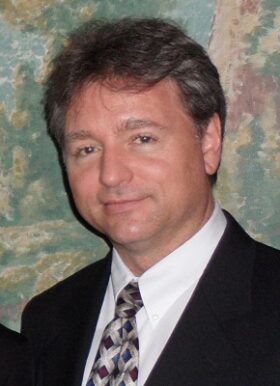
Mark J. Miller, PhD
Associate Professor of Medicine
- Phone: 314-362-3044
- Fax: 314-362-4096
- Email: mmiller23@wustl.edu
Dr. Miller manages core operations, technical & scientific consultations , 2-photon imaging. His interests are in vivo imaging approaches to study cellular immunity, in particular cellular mechanisms of antigen presentation and leukocyte trafficking during infection and inflammation.
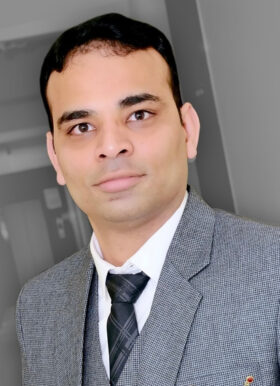
Ekansh Mittal, PhD
Assistant Professor of Medicine
- Email: emittal@wustl.edu
Dr. Mittal specializes in the intricate dynamics of host-pathogen interactions, with a particular emphasis on the innate immune response to Mycobacterium tuberculosis (Mtb).

Jennifer A. Philips, MD, PhD
Theodore and Bertha Bryan Professor, Departments of Medicine and Molecular Microbiology; Co-Chief, Infectious Diseases Division
- Phone: 314-747-8058
- Email: philips.j.a@wustl.edu
Dr. Philips is principal investigator of an NIH-funded lab that studies how Mycobacterium tuberculosis evades the host immune response.
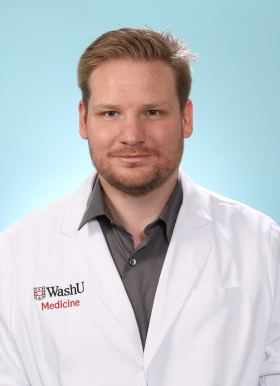
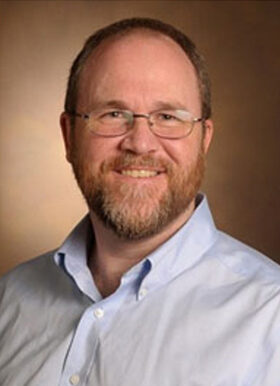
Jonathan H. Sheehan, PhD
Associate Professor of Medicine
- Phone: 314-273-8368
- Email: jonathan.sheehan@wustl.edu
Dr. Sheehan specializes in personalized structural biology, with a special focus on the molecular basis of disease mechanisms.
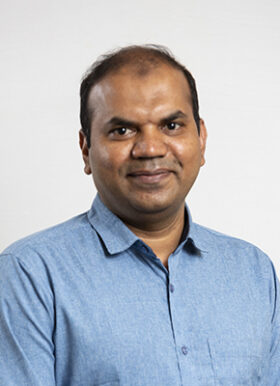
Alaullah Sheikh, PhD
Instructor in Medicine
- Phone: 314-362-9219
- Email: asheikh@wuslt.edu
Dr. Sheikh specializes in bacterial pathogenesis, host-pathogen interactions, host responses, and vaccines, with a special focus on enteric bacterial pathogens, including enterotoxigenic E. coli (ETEC) and C. difficile infections.

Barbara W. Trautner, MD, PhD
Gerald and Judith Medoff Professor of Infectious Diseases, Professor of Medicine, Co-Chief, Infectious Diseases Division
- Phone: 314-454-8354
- Email: trautner@wustl.edu
Dr. Trautner’s research focuses on diagnostic and antibiotic stewardship, particularly for urinary tract infections (UTIs). She has led trials to disseminate successful antibiotic stewardship interventions, improve the diagnosis and treatment of UTIs in men, develop bacteriophage therapy for UTIs in individuals with spinal cord injuries, and to reduce overdiagnosis of catheter-associated UTI.