
A first-of-its-kind genomics study led by Sumanth Gandra, MD, MPH, Professor of Medicine and Public Health at WashU Medicine, examined the spread of carbapenem-resistant Enterobacterales, or CRE, in a surgical intensive care unit in India. The study found that more than a quarter of patients were already colonized with CRE when they arrived in the ICU, including some with no prior hospital exposure, and that about one-third of patients who were initially negative acquired CRE during their hospital stay. Genomic sequencing also showed that some CRE strains from different patients were closely related, suggesting transmission within the hospital. The study was published in Nature Communications on July 22, 2026.
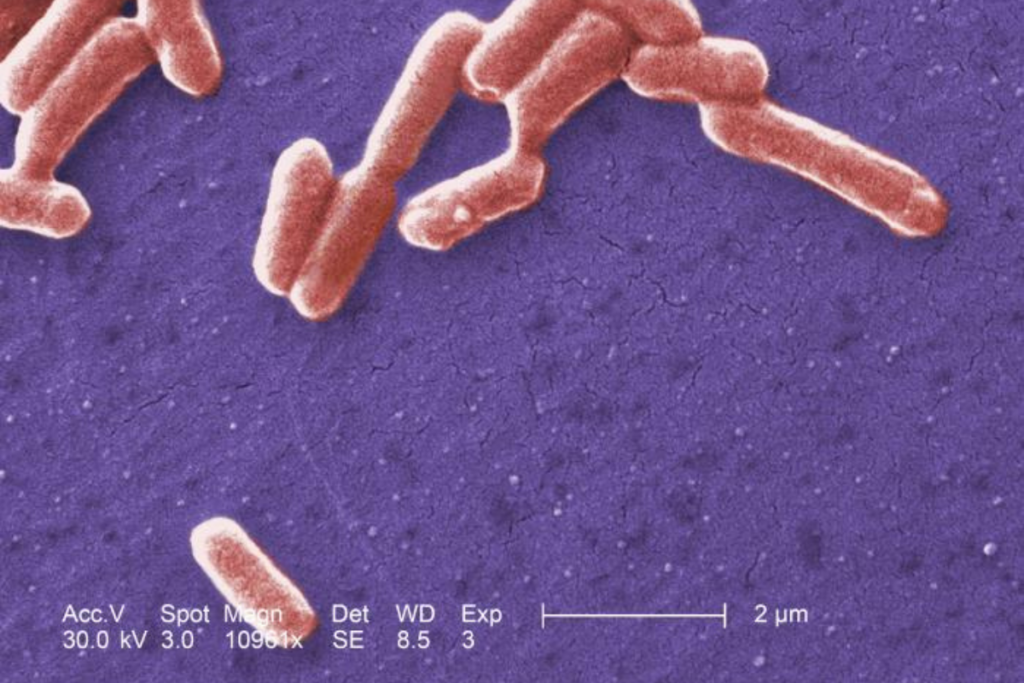
The findings are especially important because CRE are considered a critical pathogen by the World Health Organization and an urgent public health threat by the CDC. CRE are a group of Gram-negative bacteria, including Escherichia coli and Klebsiella pneumoniae, that are resistant to carbapenems. Such antibiotics are considered a last resort for treating bacterial infections. High-risk outcomes of a CRE infection include pneumonia, blood stream infection, UTI, kidney infections, and surgical site infections.
Due to a sample size of 203 patients, the study was not large enough to show the exact route of spread of CRE. Dr. Gandra said conducting a larger study could help to determine setting-specific risk factors and interventions. “We need more studies like these in CRE high-burden settings to develop feasible interventions that are reasonable for the setting rather than importing interventions from other places with different or fewer resource and infrastructural constraints.”
The study represents a collaborative effort among WashU Medicine, Amrita Institute of Medical Sciences and Research Center, Christian Medical College, the CDC Division of Healthcare Quality Promotion, and the University of Maryland School of Medicine. Dr. Gandra, who has spent much of his career studying antimicrobial resistance in India and the United States, said the work underscores the need for more research in settings where CRE is highly prevalent. While the sample size was not large enough to identify every transmission pathway, the findings provide important early evidence to guide future, larger studies and locally tailored infection-prevention strategies.
Hall, L.R., Benedict, E.E., Edathadathil, F. et al. Carbapenemase-producing carbapenem-resistant Enterobacterales in surgical intensive care unit patients in a tertiary hospital in India. Nat Commun (2026). https://doi.org/10.1038/s41467-026-74764-9
Competing interests
The authors declare no competing interests.