The discovery could lead to a single vaccine against enterotoxigenic E. coli, Shigella and other causes of severe diarrhea
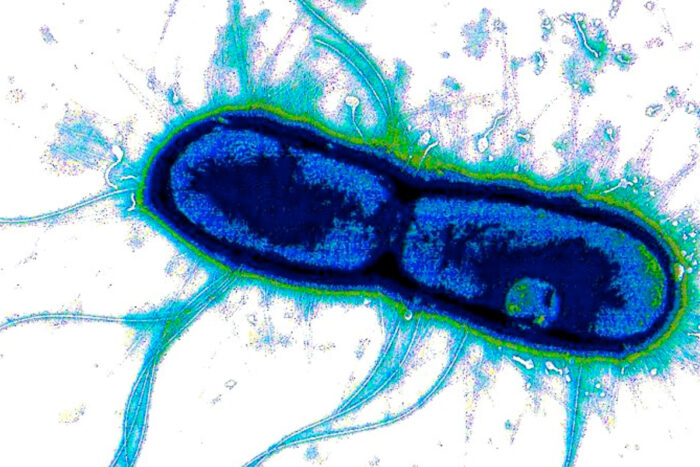
The bacteria enterotoxigenic E. coli and Shigella together cause hundreds of millions of infections each year and are among the leading causes of diarrheal death, especially in children. Decades of vaccine development efforts have come up short, in part because the usual vaccine targets vary too much from one strain to the next.
New research from Washington University School of Medicine in St. Louis points to a shared biological feature of these gut pathogens that could lead to a vaccine that protects against both.
Researchers at WashU Medicine, along with collaborators at the University of Missouri and the International Centre for Diarrhoeal Disease Research in Bangladesh, found that enterotoxigenic E. coli (the leading cause of travelers’ diarrhea), Shigella and other diarrhea-causing pathogens rely on three closely related enzymes to get through the gut’s protective mucus layer and cause infection. Based on samples from infected patients and volunteers exposed to the bugs, the team showed that antibodies targeting one shared region of these enzymes can neutralize all three biomolecules and block the bacteria from penetrating the mucus barrier of the intestines.
The results, which appear June 15 in PNAS, point to the potential for a single combination vaccine against these major causes of severe diarrhea.
“For something so common and so deadly to young children, it’s striking that we still don’t have a vaccine for either of these pathogens,” said James M. Fleckenstein, MD, a professor of medicine in the Division of Infectious Diseases at WashU Medicine and co-senior author on the study. “What’s exciting here is that we’ve found a kind of Achilles’ heel or weak point they share that we might be able to target to protect against both.”