WashU Medicine collaboration aims to uncover how gut bacteria turn dangerous
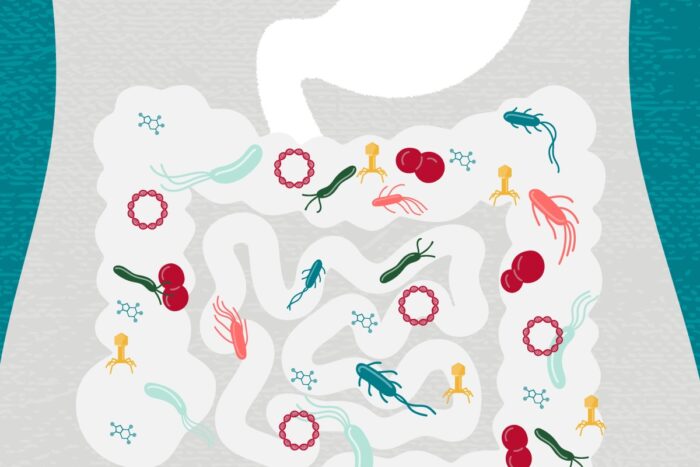
A collaborative team of researchers at Washington University School of Medicine in St. Louis and Northwestern University Feinberg School of Medicine have been awarded a nearly $11 million grant from the National Institute of Allergy and Infectious Diseases of the National Institutes of Health (NIH) to study how gut bacteria transition from benign colonizers into disease-causing agents.
For instance, Clostridioides difficile and a type of Escherichia coli can live harmlessly inside the human gut but, in some people, an internal switch flips: C. difficile, also known as C. diff, then produces damaging toxins that cause severe gastrointestinal illness, whereas E. coli migrates to the bladder and causes urinary tract infection (UTI).